Over 1,000 HR Leaders told us their top priorities in 2026:
1. Increasing productivity (30.6%) 2. Building a better EVP (21.3%) 3. Improving engagement and wellbeing (18.4%)
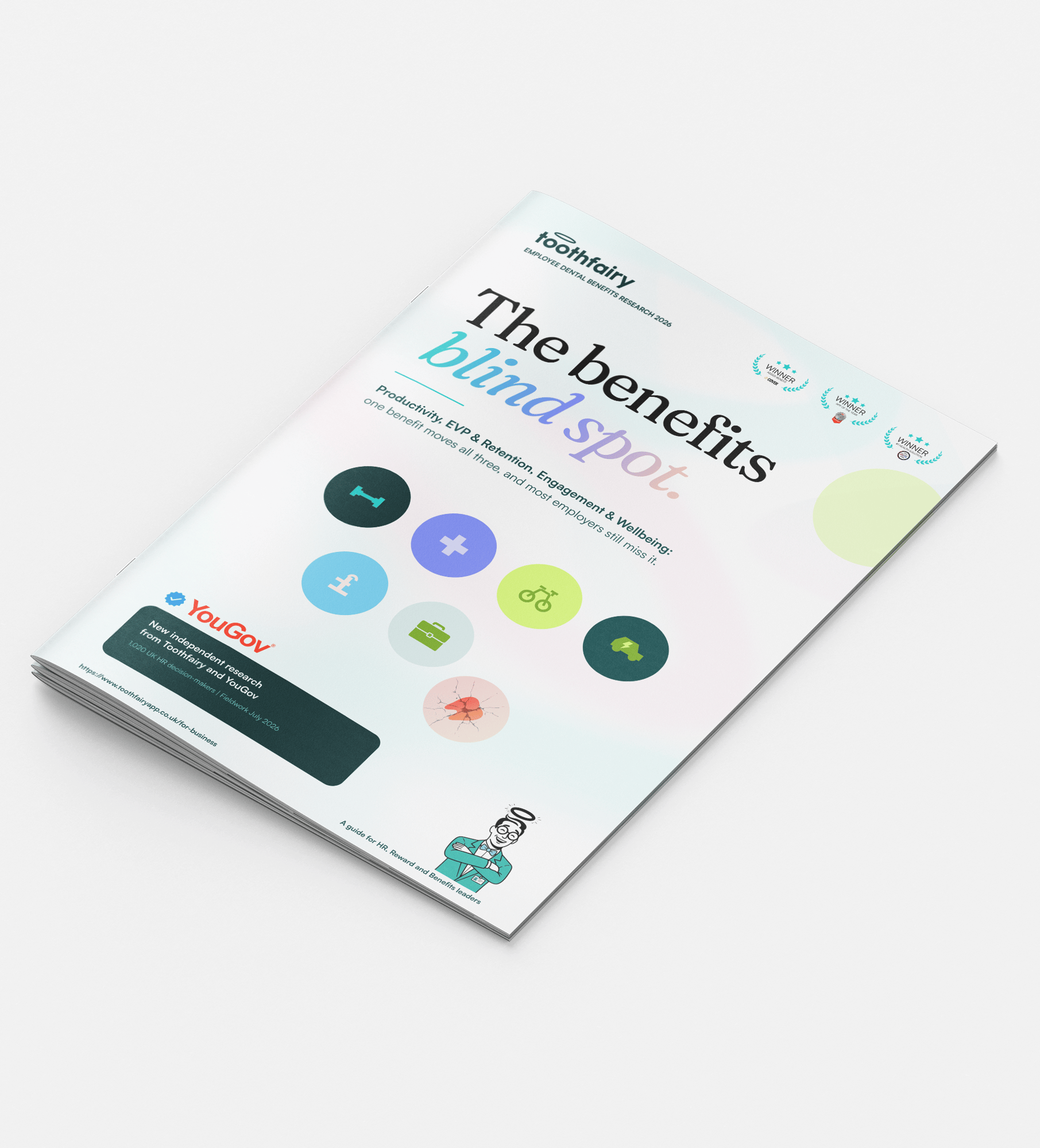
Brand new data from YouGov and Toothfairy reveals that one benefit moves all three, but most employers still struggle to make it effective, or offer it at all.
This brand new report reveals why dental is the UK's most undervalued benefit, why it currently misses the mark for most organisations in 2026, and how to turn it into a strategic lever for your top priorities this year.
You'll learn how, by focusing on a modern, access-first dental strategy, you can move the needle on EVP, productivity, and wellbeing with one benefit.
What You’ll Learn
Why 75% of employers who already offer dental are frustrated
The real reason 45% offer nothing (and it isn't budget)
A live case study: how one 1,800 person organisation uncovered £400k+ in hidden productivity costs
The 5 tests a modern dental benefit needs to pass
Why dental issues are insivible 62% of the time
Get the report:
A brand new research report brought to you by:
About the Research Report
YouGov and Toothfairy surveyed 1,020 UK-based HR and Benefits decision makers.
We wanted to understand the current landscape of dental benefits, why they are offered, why organisations choose not to offer them, alongside the true impact of poor dental access on the UK working population
Instead, we uncovered a misalignment between dental expectation for employers and employees, one with chronic consequences for business costs, workforce productivity, and employee health. Dental has become the most frequently unmanaged employee health risk, yet many employers struggle either leave employees to arrange care themselves, or struggle for efficacy in from their dental offering... why?
This report delves into this misalignment in detail, the missed opportunity in dental, and how to build an offering which moves the needle on EVP, productivity, and wellbeing.
Why the UK Dental Crisis is Driving Underperformance in Benefits
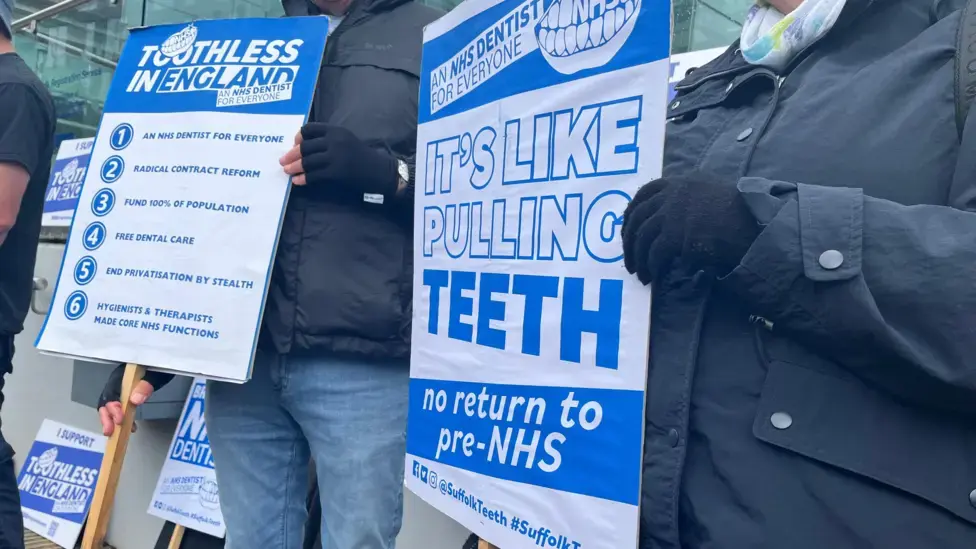
Many benefits still rely on a public health system experiencing unprecendented strain and enormous public demand, causing a bottleneck in treatment access and availability.
This means, even when employees are actively seeking treatment, they are forced to delay due to constrained availability of appointments. With delay, issues worsen, treatment becomes more complex, invasive, and expensive.
Ultimately, employers are the ones carring the cost in absence, productivity, and focus.
73%
already delay dental treatment
23 million
working days lost every year
97%
of new patients are unable to access care
+1200%
Up to 1200% increased cost when routine issues are left untreated